
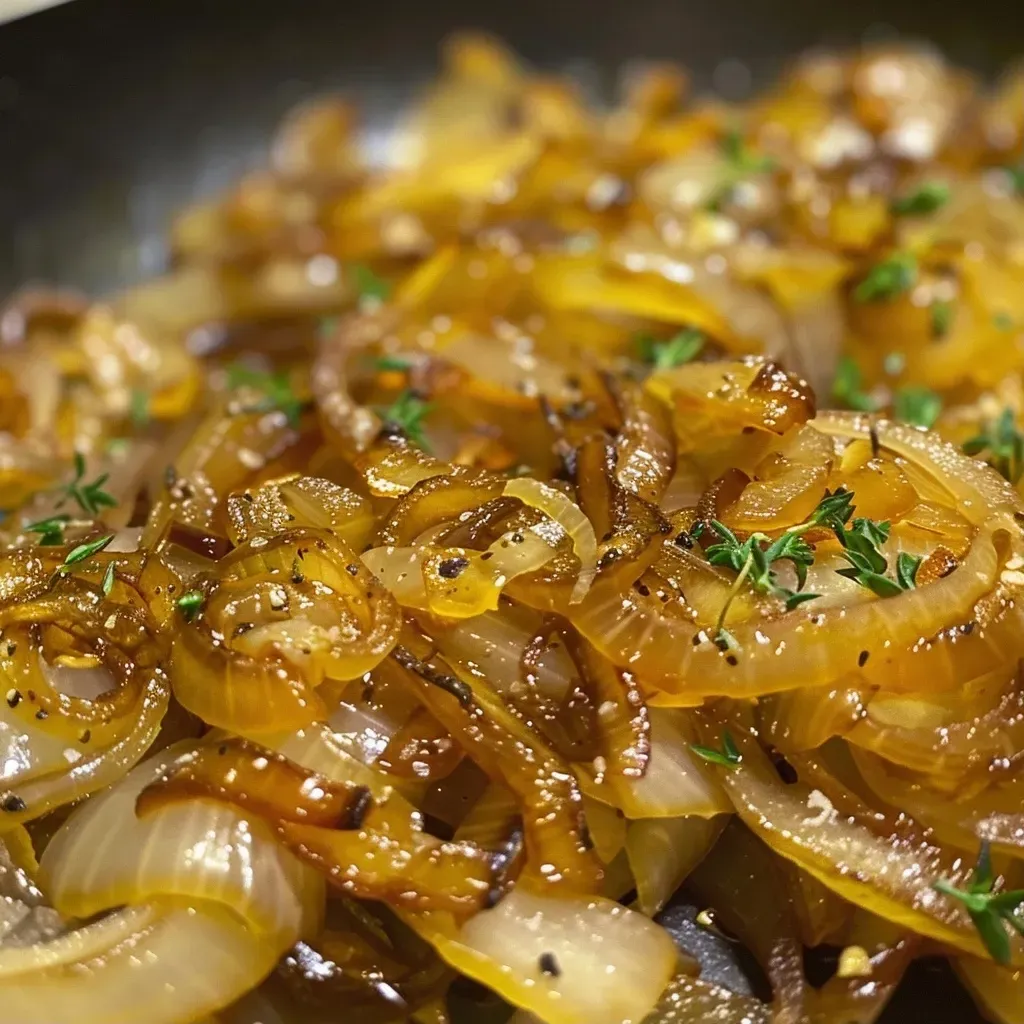
Caramelized onions are a culinary treasure that can elevate any dish, transforming the simplest ingredients into something truly special. With their rich, sweet, and savory flavor, these onions can take your cooking to new heights. In this comprehensive guide, we’ll explore the secrets to achieving beautifully caramelized onions at home, ensuring you can master this essential technique with ease.
In this article, we’ll cover everything from the right ingredients to expert tips, variations, and even storage methods. Whether you’re a novice cook or a seasoned chef, you’re in the right place to learn how to get those onions just right!
Why You’ll Love This Recipe
- Versatile ingredient: Caramelized onions can enhance a variety of dishes, from burgers to soups, pastas, and even pizzas.
- Simple process: With just a few ingredients and minimal effort, you can create a flavor-packed addition to your meals.
- Health benefits: Onions are rich in vitamins and antioxidants, making them a nutritious choice for enhancing your dishes.
- Budget-friendly: Onions are inexpensive, allowing you to elevate your meals without breaking the bank.
- Make ahead: Caramelized onions can be prepared in advance and stored, making meal prep a breeze.
Ingredients Breakdown
To successfully caramelize onions, you need just a few key ingredients:

★ Recommended Kitchen Tool
Professional Chef Knife Set
Make this recipe even easier with a quality Professional Chef Knife Set — a must-have kitchen staple!
- 2 large yellow onions: These are the best choice for caramelizing due to their natural sweetness.
- 2 tablespoons unsalted butter: Butter adds richness and depth to the flavor.
- Kosher salt: A pinch enhances the natural sweetness of the onions.
- Low-sodium chicken broth or water: Optional, but can be used to deglaze the pan and add moisture.
If you don’t have yellow onions, you can also use:
- Sweet onions: Like Vidalia or Walla Walla for an even sweeter flavor.
- Red onions: They will yield a slightly different color and flavor profile.
- White onions: These are also a suitable alternative, offering a sharper taste.
Expert Tips for Perfect Caramelization
To ensure your caramelized onions turn out perfectly every time, consider the following expert insights:
- Use the right pan: A large, wide saucepan allows for better heat distribution and more room for the onions to caramelize.
- Low and slow: Cooking the onions on low heat helps to break down the sugars gradually, resulting in a deep caramel color and rich flavor.
- Be patient: Good caramelization takes time; expect to spend 30-45 minutes for the best results.
- Don’t overcrowd the pan: Adding too many onions at once will cause them to steam rather than caramelize.
- Stir regularly: This prevents sticking and ensures even cooking.
- Add salt early: Salting the onions at the beginning helps draw out moisture, aiding in the caramelization process.
- Deglaze when necessary: If the onions are sticking or browning too much, a splash of broth or water can help lift the flavorful bits off the bottom.
- Experiment with fats: While butter is traditional, you can also use olive oil or a combination for different flavor profiles.
Avoiding Common Mistakes
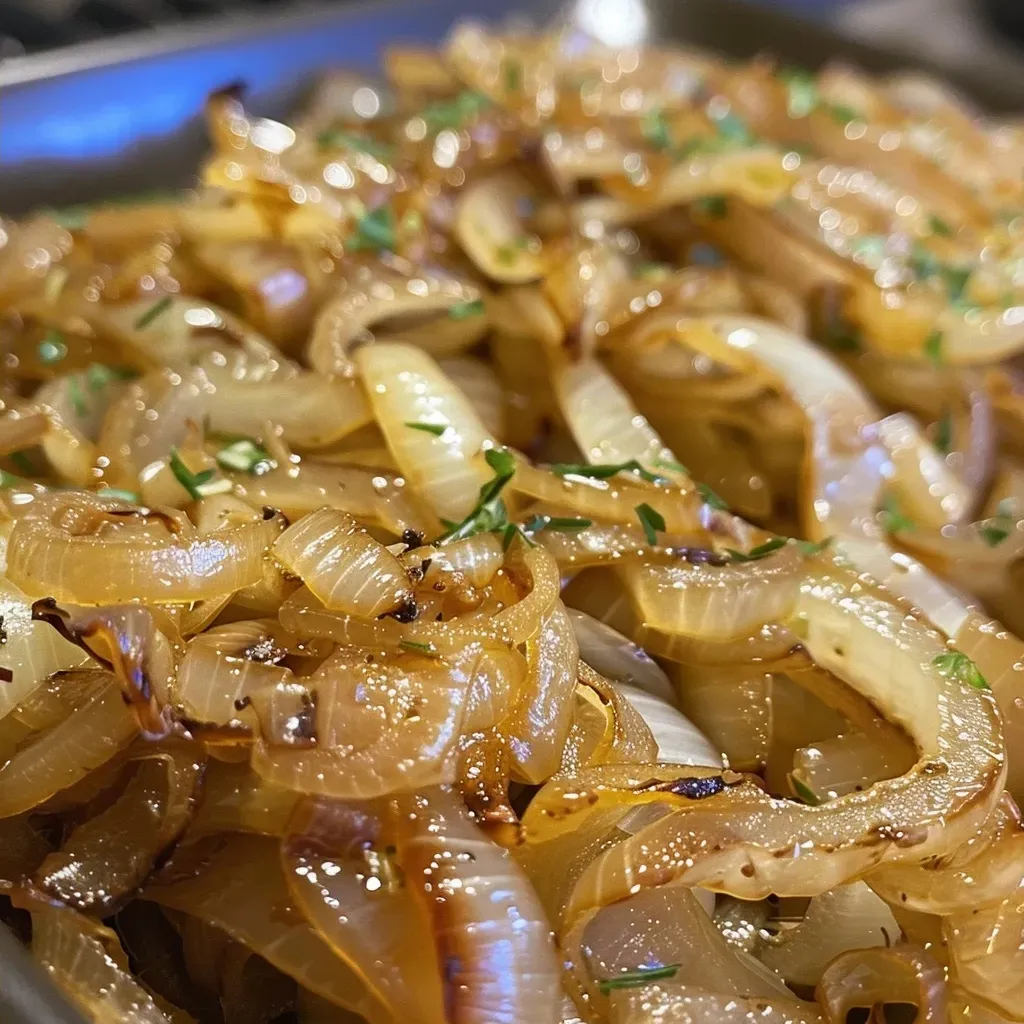
Even the best chefs make mistakes! Here are some common pitfalls to avoid when caramelizing onions:
- Cooking too fast: High heat will burn the onions rather than caramelize them.
- Not cutting evenly: Ensure your onion slices are uniform to promote even cooking.
- Ignoring stirring: Neglecting to stir can lead to uneven cooking and burning.
- Adding too much at once: This can trap steam and prevent proper caramelization.
Delicious Variations to Try
Caramelized onions can be customized to suit your taste. Here are some variations to explore:
- Herb-infused onions: Add fresh thyme or rosemary during the cooking process for an aromatic touch.
- Balsamic caramelized onions: Drizzle in a bit of balsamic vinegar toward the end of cooking for a sweet-tart flavor.
- Spicy caramelized onions: Add a pinch of red pepper flakes for a kick.
- Sweet and savory: Incorporate a teaspoon of sugar or maple syrup for an extra layer of sweetness.
Storage and Make-Ahead Instructions
Caramelized onions are perfect for batch cooking. Here’s how to store them:
- Refrigeration: Allow them to cool, then transfer to an airtight container. They will keep in the fridge for up to one week.
- Freezing: For longer storage, freeze the onions in an airtight container or freezer bag for up to three months. Thaw in the fridge before use.
Frequently Asked Questions
Here are some common questions about caramelizing onions:
- Can I use red onions? Yes! They will have a slightly different flavor but work well for caramelizing.
- What is the best way to slice onions for caramelizing? Thin, even slices are ideal for even cooking.
- How do I know when my onions are done? They should be a deep golden brown and have a sweet, rich aroma.
- Can I make caramelized onions in advance? Absolutely! They store well and can be used later.
- What dishes can I use caramelized onions in? They’re great on burgers, in pasta, on pizzas, or as a topping for soups.
- How long do I need to cook them? Expect to cook for 30-45 minutes for optimal caramelization.
- Is it necessary to add sugar? No, the natural sugars in the onions will caramelize beautifully without added sugar.
- What if my onions burn? If you notice burning, reduce the heat immediately and add a little liquid to deglaze the pan.
Nutrition Tips and Dietary Adaptations
Caramelized onions are not only delicious but also nutritious. Here are some tips for adapting this recipe to fit your dietary needs:
- Vegan option: Substitute butter with olive oil or a vegan butter alternative.
- Low-sodium option: Use water instead of broth to control sodium intake.
- Low-carb adaptation: Use caramelized onions to enhance veggie dishes and reduce the amount of starchy ingredients.
Equipment Recommendations
To achieve the best results, consider the following tools:
- Large skillet or saucepan: A wide base allows for even cooking.
- Wooden spoon or spatula: Essential for stirring and preventing sticking.
- Sharp chef’s knife: For even slicing of the onions.
- Cutting board: A sturdy board will help with safe slicing.
Serving Suggestions
Caramelized onions can be served in numerous ways:
- On burgers: They add a sweet contrast to savory meats.
- In sandwiches: Elevate grilled cheese or paninis with a layer of caramelized onions.
- As a pizza topping: Pair them with goat cheese and arugula for a gourmet touch.
- With eggs: Stir them into scrambled eggs or omelets for extra flavor.
Conclusion
Mastering the art of caramelized onions opens up a world of culinary possibilities. With patience and the right techniques, you can create a deliciously sweet and savory ingredient that enhances your favorite dishes. So, gather your ingredients, follow this guide, and enjoy the rich flavors that caramelized onions bring to your cooking. Happy cooking!
Caramelized Onions
Ingredients
Vegetables
- 2 large yellow onions (peeled)
- 2 tablespoons unsalted butter
- to taste Kosher salt Kosher salt
- optional Low-sodium chicken broth or water for pan (for deglazing)
Instructions
- Slice onions thinly and season with a pinch of salt.
- Melt butter in a large pan over medium heat, then add onions gradually, cooking and stirring until soft.
- Reduce heat to medium-low and cook onions, stirring occasionally, until golden brown, about 30 minutes.
- If desired, add a splash of broth or water to deglaze and deepen flavor, cooking a few more minutes.
- Let onions cool, then transfer to an airtight container and store up to 1 week.