
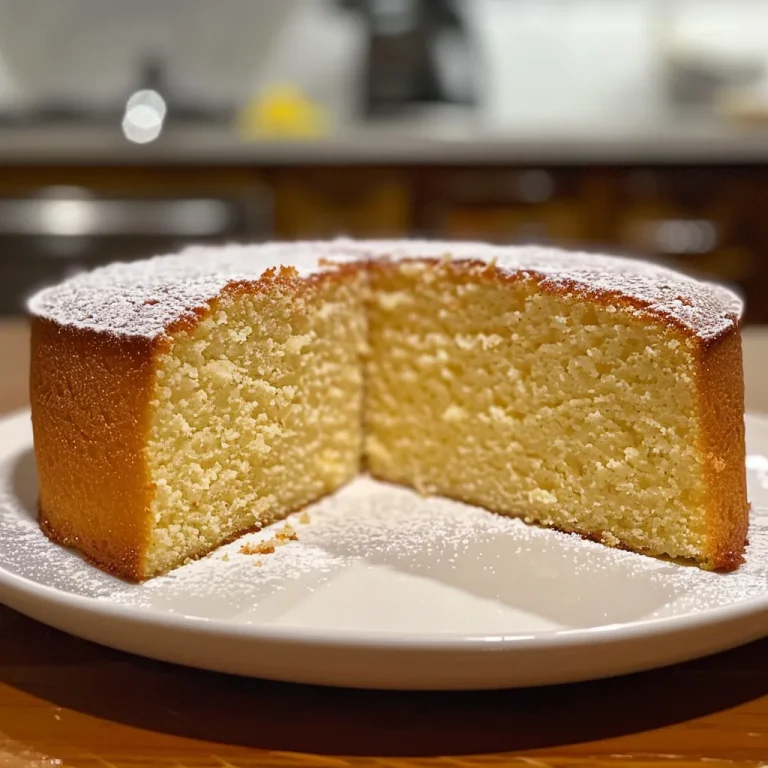
Welcome to the delightful world of baking, where the aroma of fresh vanilla sponge cake fills the air, evoking memories of family gatherings and joyful celebrations. This classic recipe is not just a dessert; it’s a canvas for creativity, a symbol of love, and a testament to your baking skills. In this comprehensive guide, you’ll discover the secrets to crafting a light and fluffy vanilla sponge cake that is perfect for any occasion. Whether you’re a novice baker or a seasoned pro, this recipe will ensure you achieve a cake that’s not only delicious but also beautifully presented. From understanding the ingredients to mastering the technique, let’s dive into the art of making the perfect vanilla sponge cake!
Why You’ll Love This Recipe
This vanilla sponge cake is a timeless classic that offers numerous benefits that will make you fall in love with baking all over again:
- Light and Fluffy Texture: The cake rises beautifully, creating a soft, airy crumb that melts in your mouth.
- Versatile Base: Use it as a foundation for layered cakes, trifles, or even as a standalone dessert. Dress it up with frosting or enjoy it plain!
- Quick and Easy: With simple ingredients and straightforward instructions, you can whip up this cake in no time, making it perfect for any occasion.
- Customizable: This recipe allows you to add your favorite flavors or fillings, such as chocolate, fruits, or nuts, making it uniquely yours.
- Great for Beginners: The clear steps and minimal ingredients make this a fantastic recipe for those just starting their baking journey.
Ingredients Breakdown
Here’s what you need to create this delicious vanilla sponge cake:
- 125 g Maida (Plain Flour): This provides the structure and texture of the cake. You can substitute with whole wheat flour for a healthier option.
- 125 g Butter: Adds richness and moisture. For a lighter version, use unsalted butter or a plant-based alternative.
- 125 g Powdered Sugar: Helps to sweeten the cake and contributes to its tenderness. You can use coconut sugar for a more natural sweetener.
- 2 Eggs: Essential for binding and aeration. If you’re vegan, consider using flaxseed meal or applesauce as a substitute.
- 1/2 tsp Baking Powder: This leavening agent ensures your cake rises well, creating that fluffy texture.
- 1/4 tsp Baking Soda: Works in conjunction with baking powder to give the cake an extra lift.
- 1/3 tsp Vanilla Essence: Infuses the cake with that delightful vanilla flavor. You can use real vanilla extract for a richer taste.
- Salt (a small pinch): Enhances the overall flavor of the cake.
- For Icing:
- 25 g Butter: For a creamy frosting base.
- 25 g Icing Sugar: Sweetens the icing and gives it a smooth texture.
- 1/8 tsp Vanilla Essence: Adds flavor to the icing.
Step-by-Step Instructions
Follow these simple steps to create your vanilla sponge cake:
- Preheat the oven: Preheat your oven to 180°C (350°F) to ensure it’s hot and ready for baking.
- Cream the butter and sugar: In a mixing bowl, beat the butter and powdered sugar together until the mixture is light and fluffy.
- Add eggs: Crack the eggs into the butter mixture, one at a time, mixing well after each addition.
- Incorporate vanilla: Add the vanilla essence and mix until combined.
- Prepare dry ingredients: In a separate bowl, sieve together the maida, salt, baking powder, and baking soda.
- Combine wet and dry ingredients: Gradually fold the dry mix into the butter mixture using a spatula, ensuring not to overmix.
- Transfer to the tin: Pour the batter into a greased and floured cake tin, smoothing the surface with a spatula.
- Bake: Place the tin in the preheated oven and bake for approximately 45 minutes, or until the top is golden brown and a skewer inserted into the center comes out clean.
- Cool the cake: Once baked, remove the cake from the oven and allow it to cool before demolding onto a wire rack.
Essential Pro Tips for Baking Success


To ensure your vanilla sponge cake turns out perfectly, keep these expert tips in mind:
- Room Temperature Ingredients: Ensure your butter and eggs are at room temperature for better incorporation and a smoother batter.
- Don’t Overmix: Gently fold the dry ingredients into the wet mixture to keep the cake light and fluffy. Overmixing can lead to a dense texture.
- Use Quality Ingredients: High-quality butter and vanilla essence can significantly enhance the flavor of your cake.
- Check for Doneness: Always use a skewer to check if the cake is done. If it comes out clean, your cake is ready!
- Let It Cool Completely: Allow your cake to cool completely before icing it to prevent the icing from melting.
- Experiment with Flavors: Feel free to add lemon zest or almond extract to the batter for a unique twist on the classic vanilla flavor.
- Storage Tips: Store any leftover cake in an airtight container to maintain freshness and prevent drying out.
- Layering Techniques: If making a layered cake, level your sponge with a knife for even layers and better stacking.
Common Mistakes and Troubleshooting
Even experienced bakers can run into issues. Here’s how to troubleshoot common problems:
- Dense Cake: This usually occurs due to overmixing the batter. Be gentle when folding in the dry ingredients.
- Cake Sinking in the Middle: This can happen if the oven temperature is too low, or if the cake is underbaked. Always preheat your oven and check for doneness.
- Dry Cake: Ensure you’re using the right measurements and avoid overbaking. A cake that is slightly underbaked can still be moist!
- Cracked Top: If your cake cracks, it may have been baked at too high a temperature. Adjust your oven settings accordingly.
Variations on the Classic Vanilla Sponge Cake
Once you master this vanilla sponge cake recipe, you can easily adapt it to create delightful variations:
- Chocolate Vanilla Sponge Cake: Add 30g of cocoa powder to the dry ingredients for a rich chocolate flavor.
- Lemon Sponge Cake: Incorporate the zest of one lemon into the batter for a fresh, zesty twist.
- Almond Sponge Cake: Replace vanilla essence with almond extract for a nutty flavor.
- Berry Layer Cake: Add fresh berries between layers for a fruity surprise and a burst of color.
Storage and Make-Ahead Instructions
This vanilla sponge cake is perfect for preparing in advance:
- Storing: Keep the cake in an airtight container at room temperature for up to 3 days, or refrigerate for up to a week.
- Freezing: Wrap the cooled cake tightly in plastic wrap and then in aluminum foil to freeze for up to 3 months. Thaw before serving.
- Make-Ahead Icing: Prepare the icing ahead of time and store it in the refrigerator. Allow it to come to room temperature before using.
Frequently Asked Questions
Here are some common questions about making vanilla sponge cake:
- Can I substitute whole wheat flour for maida? Yes, whole wheat flour can be used but may result in a denser cake.
- How do I know if my cake is done? Perform the skewer test; if it comes out clean, your cake is ready.
- What can I use instead of eggs? Flaxseed meal mixed with water or unsweetened applesauce can be used as an egg substitute.
- Can I make this cake in advance? Absolutely! You can bake and store it for later use or freeze it for future celebrations.
- Why did my cake sink in the middle? This often occurs due to underbaking or opening the oven door too early.
- What’s the best way to frost my cake? Use a serrated knife to level the cake and apply a crumb coat before the final frosting layer.
- Can I add flavors like chocolate or fruit? Yes, feel free to experiment with flavors and fillings!
- How should I store leftover cake? Store in an airtight container at room temperature or refrigerate for longer freshness.
Nutritional Tips and Dietary Adaptations
This vanilla sponge cake can easily be adapted to fit different dietary requirements:
- Gluten-Free: Substitute the maida with a gluten-free all-purpose flour blend.
- Lower Sugar Option: Reduce the sugar content and use natural sweeteners like honey or maple syrup.
- Vegan Version: Use plant-based butter, flaxseed eggs, and non-dairy milk in the recipe.
Equipment Recommendations
To achieve the best results, here are some essential tools you’ll need:
- Mixing Bowls: A set of mixing bowls in various sizes for combining ingredients.
- Measuring Cups and Spoons: Accurate measurements are crucial for baking success.
- Electric Mixer: A handheld mixer or stand mixer for beating butter and sugar efficiently.
- Cake Tin: A good quality round cake tin for even baking.
- Cooling Rack: Essential for cooling the cake evenly after baking.
Serving Suggestions
Serve your vanilla sponge cake in delightful ways to enhance its appeal:
- With Fresh Fruits: Top with fresh berries or seasonal fruits for a vibrant presentation.
- Whipped Cream: Serve with a dollop of whipped cream for added richness.
- Garnish with Mint: A sprig of fresh mint adds a pop of color and freshness.
- Layered with Cream: Create a layered cake with whipped cream and fruit in between the layers.
In conclusion, this vanilla sponge cake recipe is not just about the ingredients and steps; it’s about the love and care you put into your baking. With each bite, you’re not just tasting a cake; you’re experiencing the joy of creation. So, roll up your sleeves, gather your ingredients, and embark on this delightful baking adventure. Happy baking!
Vanilla Sponge Cake
Ingredients
Dry Ingredients
- 125 g Plain Flour (Maida)
- 1 tsp Baking Powder
- 0.25 tsp Baking Soda
- 1/3 tsp Vanilla Essence
Wet Ingredients
- 125 g Butter
- 125 g Powdered Sugar
- 2 pcs Eggs
- 25 g Butter (additional)
- 25 g Icing Sugar