
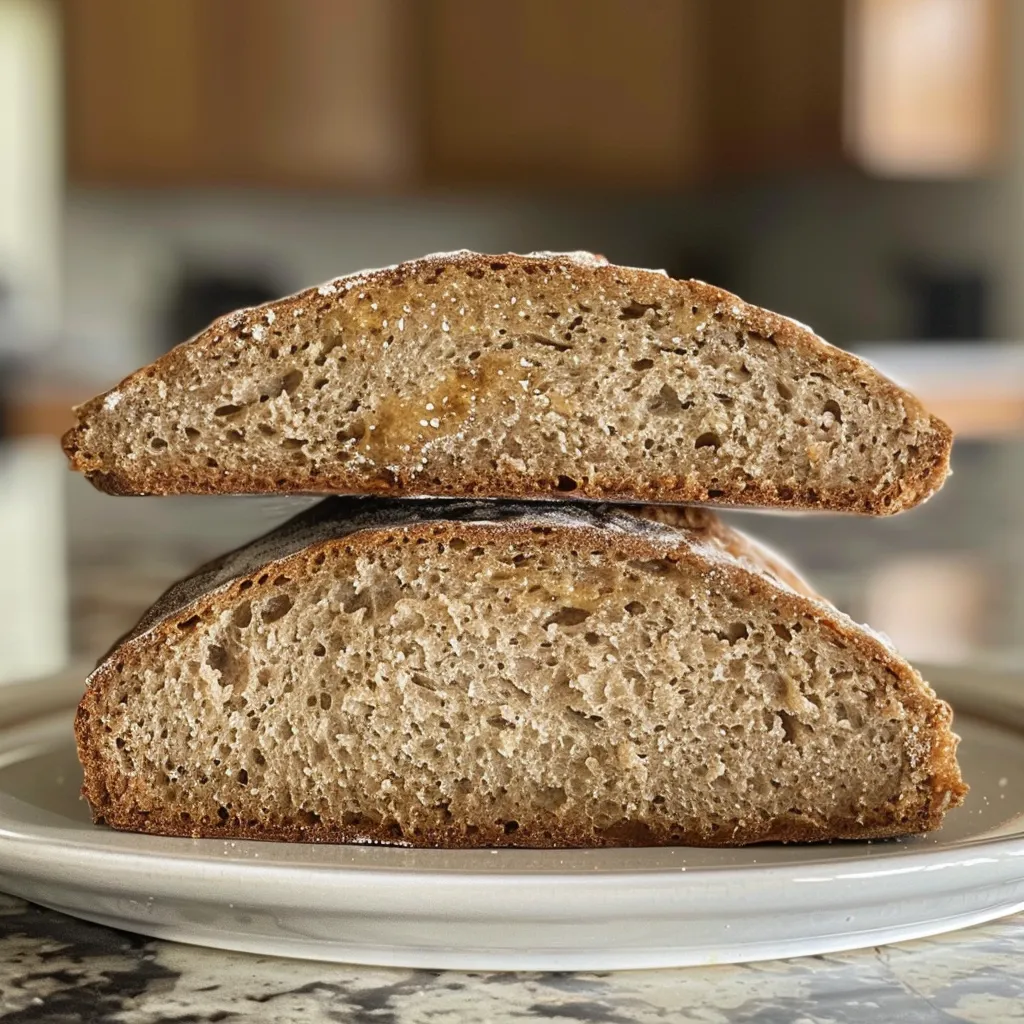
Transform Your Lunchtime with Whole Wheat Sourdough Sandwich Bread
Are you seeking a nutritious and delicious way to elevate your midday meals? Look no further than this whole wheat sourdough sandwich bread. This recipe combines the rich, nutty flavor of whole wheat with the delightful tang of sourdough, creating a sandwich bread that is both wholesome and satisfying. Perfect for everything from classic sandwiches to gourmet toast, this bread will quickly become a staple in your kitchen!
In the following sections, you will discover the benefits of making this bread, the essential ingredients, and tips for success. With my guidance, you’ll find that baking bread at home is not only achievable but also incredibly rewarding.
Why You’ll Love This Recipe
- Wholesome Ingredients: Made with whole wheat flour and bread flour, this recipe is packed with fiber and nutrients that contribute to a healthy lifestyle.
- Delicious Flavor: The combination of whole wheat and sourdough creates a deliciously complex flavor profile that enhances any sandwich.
- Versatile Uses: Ideal for sandwiches, toast, or even as a side with soups and salads, this bread is incredibly versatile.
- Easy to Make: With simple steps and minimal kneading, even beginner bakers can successfully create this bread.
- Nutritious Alternative: This bread offers a healthier alternative to store-bought options, often loaded with preservatives and additives.
Essential Ingredients and Substitutions
Understanding the ingredients is crucial for achieving the best results. Here’s a breakdown of what you’ll need and some possible substitutions:
- Whole Wheat Flour: Provides a hearty texture and rich flavor. You can substitute with white whole wheat flour for a milder taste.
- Bread Flour: Enhances structure and chewiness. All-purpose flour can be used, but it may yield a denser loaf.
- Warm Water: Activates the dough and creates a soft crumb. Ensure the water is between 80-90℉ for optimal fermentation.
- Active Sourdough Starter: Essential for fermentation and flavor. If you don’t have a starter, fresh sourdough discard (less than one week old) can also work.
- Unsalted Butter: Adds richness. For a dairy-free option, substitute with olive oil or coconut oil.
- Honey: Sweetens the bread naturally. Maple syrup or agave can be used as alternatives.
- Kosher Salt: Enhances flavor. If using table salt, reduce the amount by half.
Step-by-Step Instructions
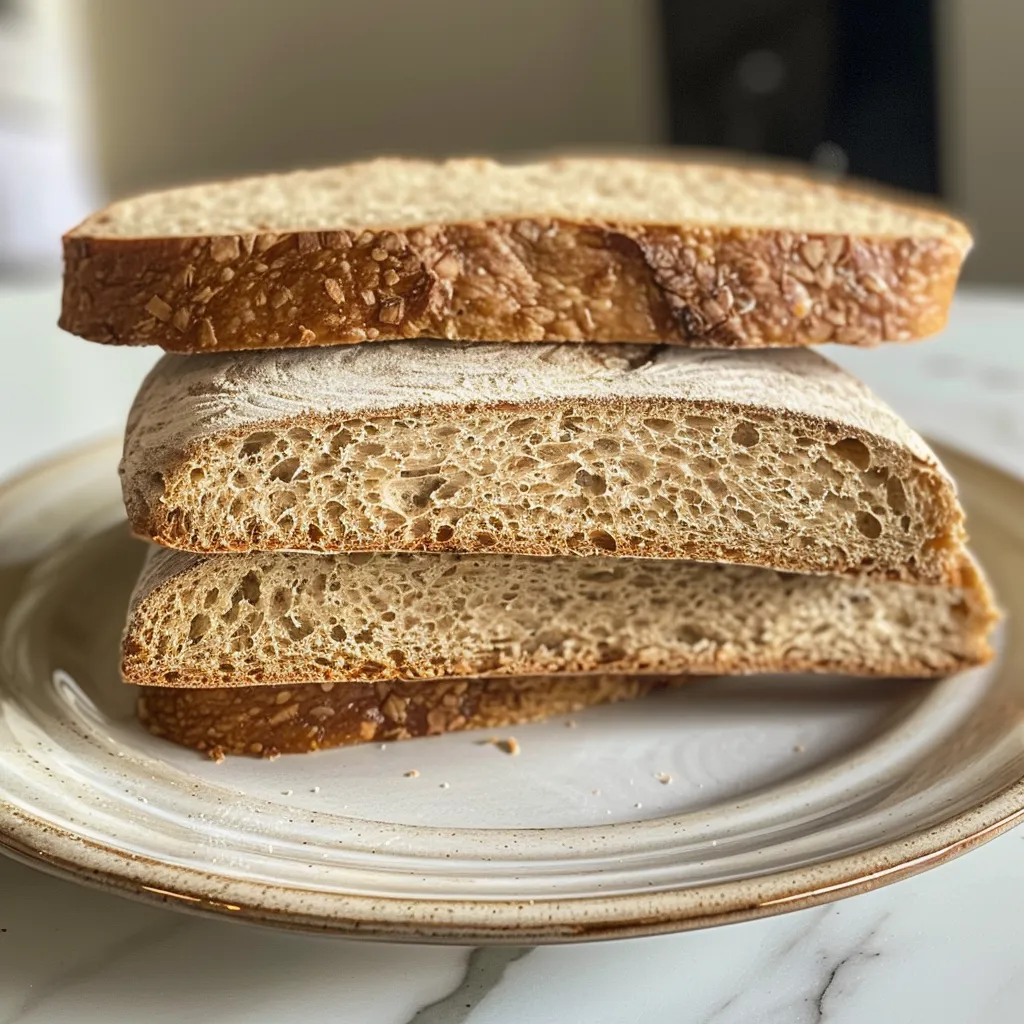
Follow these steps to create your own delicious whole wheat sourdough sandwich bread:
- About 6-12 hours before starting, feed your sourdough starter to ensure it’s bubbly and active. The timing will depend on your kitchen temperature. In a warm environment (around 75°F), it will take about 6 hours. In cooler kitchens (65-68°F), it may take closer to 12 hours.
- In a large bowl, combine 2 ¼ cups (270 grams) of whole wheat flour, 1 ¼ cups (150 grams) of bread flour, and 1 ¼ cups (300 grams) of warm water until no dry flour remains. Cover the bowl and let the mixture rest for 1 hour. This process is called autolyse, helping to improve gluten development.
- After the resting period, add ⅓ cup (80 grams) of active sourdough starter, 3 tablespoons (42 grams) of melted and cooled unsalted butter, 1 tablespoon (21 grams) of honey, and 3 ¼ teaspoons (9 grams) of Diamond Crystal Kosher salt to the dough. Mix everything together with your hands until a sticky, cohesive dough forms. Cover the bowl and let the dough rest for 15 minutes.
- To develop the dough’s strength, lightly wet your hands to prevent sticking. Grab one edge of the dough, stretch it upwards, and fold it over onto itself. Rotate the bowl 90° and repeat this process for all four sides of the dough, totaling four folds. Gather the dough into a ball, seam side down, and cover it to rest for another 15 minutes. Repeat the stretching and folding every 15 minutes for a total of 6 times.
- After the final fold, cover the dough and let it rise in a warm spot until it doubles in size, with visible fermentation bubbles. This can take anywhere from 4 to 12 hours, depending on your kitchen’s temperature. For easier tracking, transfer the dough to a straight-sided container and mark its starting point.
- Once the dough has doubled in size, butter the bottom and sides of a 9″x5″ loaf pan. Turn the dough out onto a lightly floured surface and gently shape it into a rectangle. Starting from one short end, roll the dough tightly towards the other end, like a jelly roll. Pinch the ends to seal.
- Transfer the shaped dough seam side down into the prepared loaf pan. Cover it and let it proof at room temperature for 2-4 hours, or until it’s noticeably puffy and risen nearly to the top of the pan. For a more pronounced sourdough flavor, refrigerate the dough overnight before allowing it to proof at room temperature the next morning.
- About 20 minutes before the dough is done proofing, preheat your oven to 400°F.
- Place the loaf in the preheated oven and bake for 30-40 minutes, or until the top is golden brown and the internal temperature reaches 190°F.
- Remove the bread from the oven and allow it to cool in the pan for 10 minutes. Then, transfer it to a wire rack to cool completely. For the best texture, let it cool for at least 1 hour before slicing.
Pro Tips for Perfect Bread
- Use an active starter: Ensure your sourdough starter is bubbly and active before using it to guarantee a good rise.
- Control the environment: Keep the dough in a warm, draft-free area to promote fermentation and rising.
- Be patient: Allow adequate time for each rise and proofing stage—rushing can lead to dense bread.
- Check dough hydration: If the dough feels too dry, add a bit more water. If it’s too sticky, add a sprinkle of flour.
- Invest in a thermometer: Knowing the internal temperature of your bread will help you avoid under- or over-baking.
- Use a sharp knife: Score the top of the loaf with a sharp knife before baking to control how it rises.
- Experiment with flavors: Add herbs, spices, or seeds to the dough for an exciting twist on classic bread.
- Store properly: Keep the bread in a paper bag at room temperature or freeze it to maintain freshness.
Troubleshooting Common Mistakes
Even seasoned bakers can face challenges. Here’s how to troubleshoot some common issues:
- Dense bread: This can happen if the dough didn’t rise enough. Ensure your starter is active, and allow enough time for fermentation.
- Gummy texture: Slicing the bread too soon can lead to a gummy interior. Always let it cool completely before slicing.
- Flat loaf: If the loaf flattens during baking, it may be due to insufficient strength in the dough. Ensure proper folding and shaping techniques are used.
- Too dry: Bread can become dry if over-baked. Use a thermometer to check for doneness and avoid over-baking.
Delicious Variations to Try
Once you’ve mastered the basic recipe, try these fun variations:
- Seeded Whole Wheat Sourdough: Add sunflower seeds, sesame seeds, or flaxseeds to the dough for extra nutrition and texture.
- Herbed Sourdough: Mix in dried herbs like rosemary, thyme, or oregano for a flavorful twist.
- Cheddar and Jalapeño: Incorporate shredded cheese and diced jalapeños for a spicy, savory loaf.
- Sweet Cinnamon Raisin: Add cinnamon and raisins for a sweet version perfect for breakfast or snacking.
Storage and Make-Ahead Instructions
To enjoy your bread at its best, follow these storage tips:
- Room Temperature: Store the bread in a paper bag or bread box for up to 3-5 days.
- Freezing: Wrap the cooled loaf tightly in plastic wrap and then in aluminum foil. It can be frozen for up to 3 months. To use, thaw at room temperature.
- Make-Ahead: You can prepare the dough in advance and refrigerate it overnight for a slower fermentation, which enhances flavor.
Frequently Asked Questions
Here are some common questions about making whole wheat sourdough sandwich bread:
- Can I use all whole wheat flour? Yes, but it may result in a denser loaf. Consider using a mix of whole wheat and bread flour.
- How do I know when my dough has risen enough? The dough should double in size and have visible bubbles. A gentle poke should leave a slight indentation.
- What can I substitute for honey? Maple syrup or agave syrup works well as natural sweeteners.
- Can I bake this bread in a different pan? Yes, but adjust the baking time according to the size and shape of the pan.
- How do I prevent the crust from getting too hard? Bake the bread covered for the first 20 minutes, then uncover it for the remaining time to achieve a soft crust.
- Is it necessary to use a sourdough starter? While it’s recommended for flavor and rise, you can use commercial yeast as an alternative.
- What’s the best way to slice sourdough bread? Use a serrated knife to slice the bread while it’s cool for the best texture.
- How can I make this recipe gluten-free? Substitute gluten-free flour blends, but note that the texture will vary.
Nutrition Tips and Dietary Adaptations
This whole wheat sourdough sandwich bread is not only delicious but also nutritious. Here are some tips:
- Boost Fiber: Add oats or bran to increase fiber content, helping with digestion.
- Lower Sugar: Reduce or eliminate honey for a lower-sugar option without sacrificing flavor.
- Vegan Option: Substitute the butter with coconut oil and use a plant-based sweetener.
- Protein Boost: Mix in seeds or nuts to enhance the protein content of the bread.
Recommended Equipment
To ensure the best results when baking your bread, consider these essential tools:
- Mixing Bowls: Opt for large mixing bowls to accommodate dough expansion.
- Kitchen Scale: Measuring ingredients by weight provides accuracy for consistent results.
- Loaf Pan: A sturdy 9″x5″ loaf pan is ideal for shaping and baking the bread.
- Serrated Knife: Necessary for slicing the bread without crushing it.
- Instant Read Thermometer: Helps determine the internal temperature of the bread.
Serving Suggestions
Now that your whole wheat sourdough sandwich bread is baked and cooled, here are some delightful serving ideas:
- Classic Sandwiches: Use it for turkey, ham, or veggie sandwiches for a satisfying lunch.
- Breakfast Toast: Top slices with avocado, poached eggs, or nut butter for a hearty breakfast.
- Grilled Cheese: Make a melty grilled cheese sandwich with your favorite cheese.
- Fresh Salads: Serve alongside soups or salads as a wholesome side.
Enjoy the journey of baking this delicious whole wheat sourdough sandwich bread. With practice, you’ll master the techniques and create a nourishing staple that your family will love. Happy baking!
Whole Wheat Sourdough Sandwich Bread
Ingredients
Flours
- 2 ¼ cups cups whole wheat flour
- 1 ¼ cups cups bread flour
Water
- 1 ¼ cups cups warm water (80-90℉)
Starter
- ⅓ cup cup active sourdough starter (or discard less than one week old)
Fats and sweeteners
- 3 tablespoons tablespoons unsalted butter (melted and cooled)
- 1 tablespoon tablespoon honey
Salt
- 3 ¼ teaspoons teaspoons Diamond Crystal Kosher Salt
Instructions
- Mix flours and water, rest for 1 hour.
- Add starter, butter, honey, and salt; mix until cohesive. Rest for 15 minutes.
- Perform 4 folds every 15 minutes, then let the dough rise until doubled (4-12 hours).
- Shape the dough into a loaf, place in buttered pan, and proof for 2-4 hours.
- Preheat oven to 400°F, bake for 30-40 minutes, then cool before slicing.